
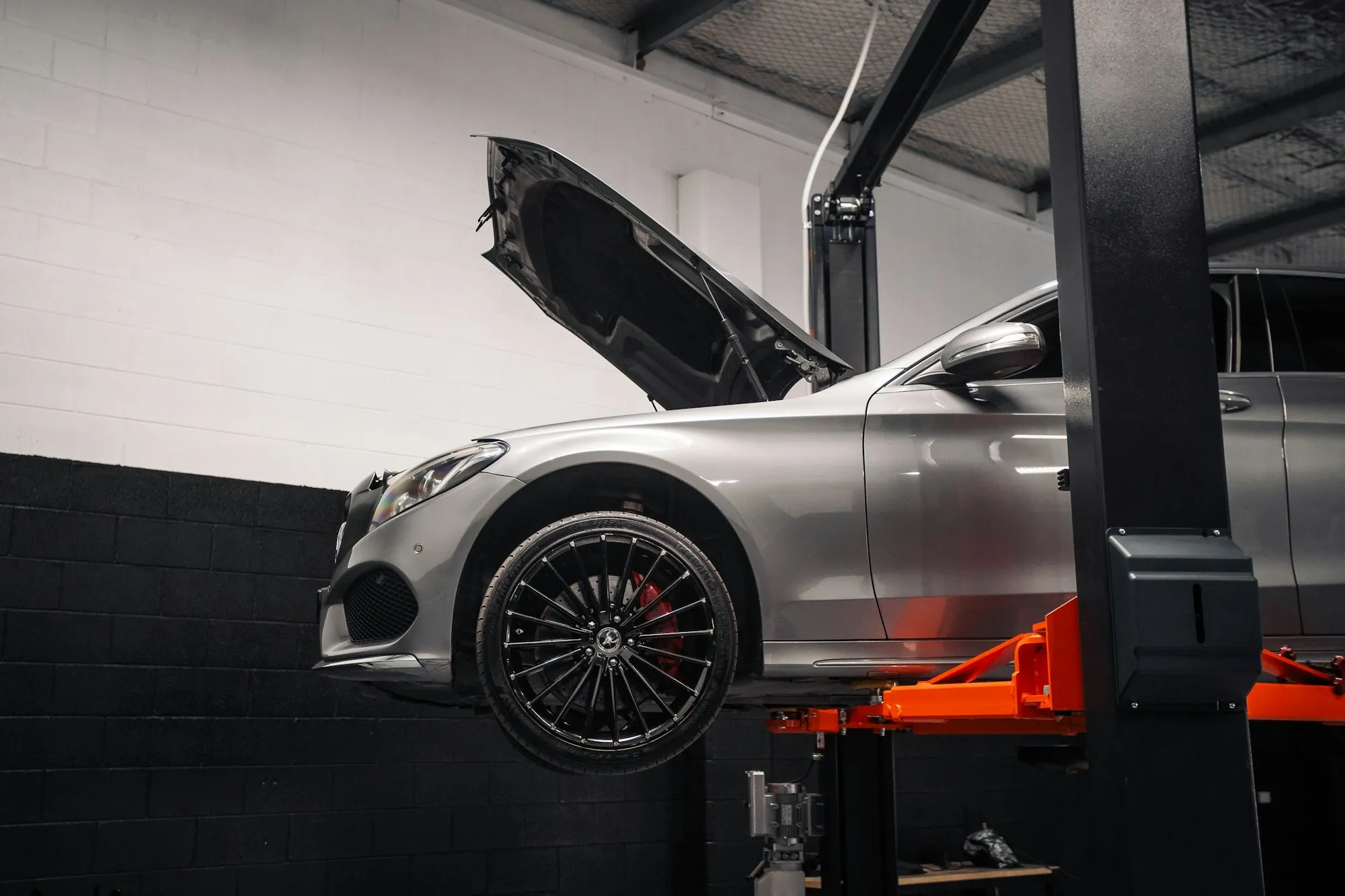
Aluminum bodies and panels
Aluminum Repair in Royse City Done the Way the Metal Demands
Plenty of trucks and SUVs on Interstate 30 now wear aluminum hoods, doors and beds. Fixing it right takes a separate space, separate tools and a different set of joining methods.
Aluminum Changes the Rules
Aluminum is lighter than steel, and it shows up on more trucks and SUVs every model year. It also behaves differently when it's damaged. It doesn't have the same memory steel does, it reacts badly to too much heat, and it can crack if it's pushed the wrong way. The bigger hidden risk is contamination: steel dust from a grinder lands on bare aluminum and starts galvanic corrosion that bubbles up under the paint months later. So the work happens in its own space, with tools that never touch steel. Where the maker calls for rivets and structural adhesive instead of welds, that's what gets used, because the right fix is the one the car was designed around.
What Proper Aluminum Repair Involves
This is the work that separates a lasting aluminum repair from one that fails.
Confirm what the panel is made of
A magnet and the maker's body data tell us which parts are aluminum. Many vehicles mix the two metals, so we check before planning anything.
Curtained-off work bay
Aluminum work happens behind barriers, away from steel sanding and grinding. Airborne steel particles are the enemy here.
A tool set that never meets steel
Hammers, dollies, sanding discs and pullers are marked and stored separately. A tool used on steel never comes back to aluminum.
Heat read off a gauge, not a guess
When heat helps shape the metal, temperature is watched with indicators. Overheating weakens aluminum in ways you can't see.
Self-piercing and blind rivets
Plenty of aluminum structures leave the factory riveted, not welded. We copy the maker's rivet type, spacing and pattern.
Structural adhesive seams
Adhesive joints get the specified product along with the clamping and cure time it needs. Rushing this joint undoes the whole repair.
Dust collection at the source
Sanders are fitted with extraction to keep aluminum dust contained. That's for the car's sake and the technician's.
Pretreatment before primer
Bare aluminum gets the right pretreatment and primer so moisture and road grime can't start trouble under the finish.
The Aluminum Repair Sequence
Identify and decide
We confirm which panels are aluminum and look up the maker's repair procedure. Some panels are repairable, and some are replace-only by design. You get the honest call on which is which, along with the reason. That decision drives the estimate.
Work it behind the curtain
The car moves into the separated space. Dents are worked with aluminum-only tools and controlled heat. Replacement panels go on with the same rivets and adhesive the factory used. Nothing from the steel side of the shop crosses over.
Protect, refinish, verify
Bare metal gets pretreatment and primer before color goes on. Panel gaps and fit are checked against the neighboring panels. The car gets a final look inside and out before we hand it back.
Why It's Worth Bringing Aluminum Here
We won't treat it like steel
Shops that skip the separate tools and space save time today and leave you with corrosion later. We don't take that shortcut.
Repair or replace, stated plainly
If an aluminum panel isn't worth repairing, we say so up front. You won't pay for hours of work on something that should have been swapped.
Close to home
Drivers from Royse City, Fate and Nevada don't need to haul an aluminum-bodied truck across the metroplex for this work. It gets done right here.
Got Damage on an Aluminum Panel?
Not sure if your hood, door or bed is aluminum? Give the shop your VIN and you'll get a straight answer on the metal and the fix.