
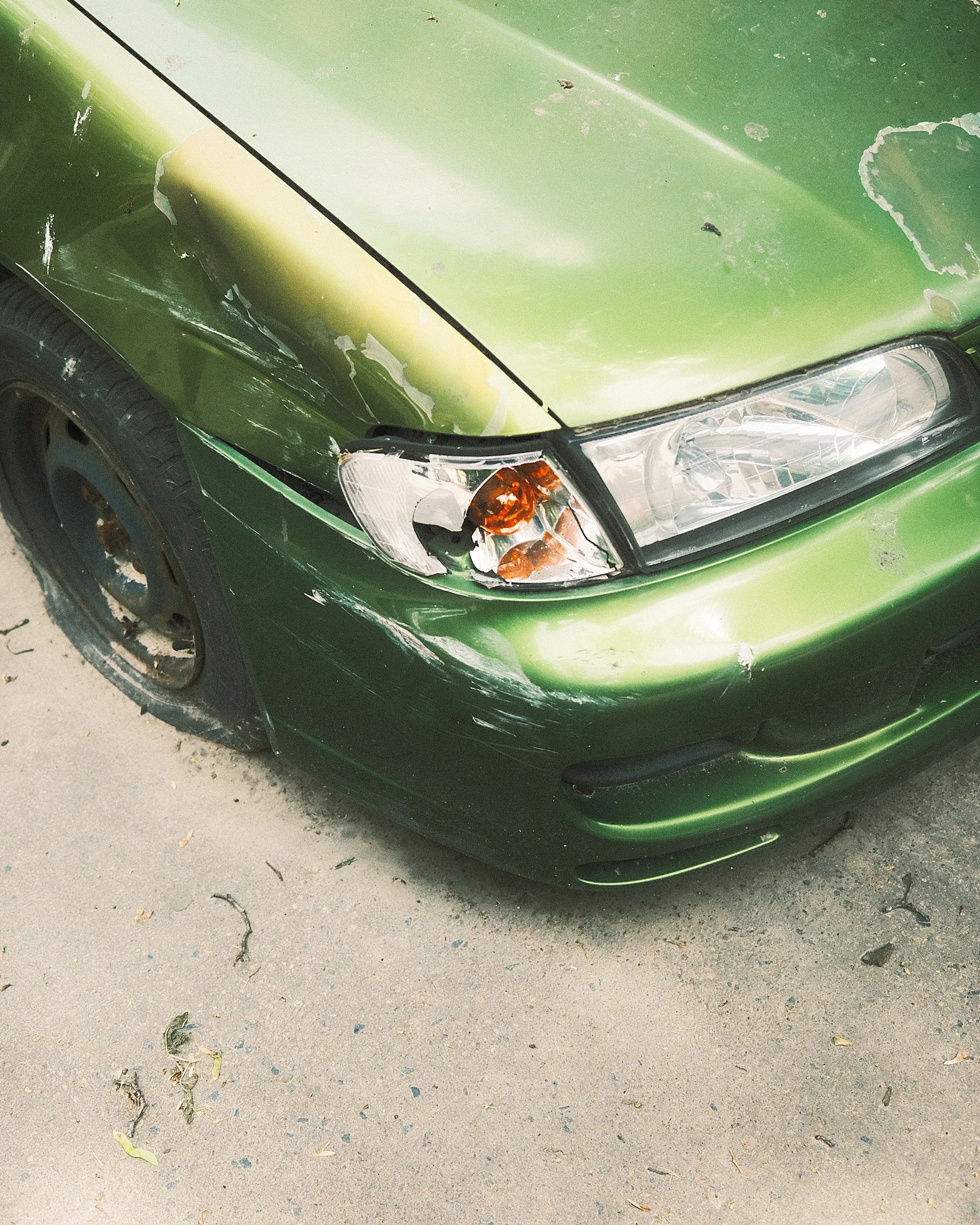
Front & rear bumpers
Bumper Repair & Replacement in Royse City With a Straight Answer
A backup bump in a driveway off FM 35 or a nudge in traffic on Interstate 30. Bumpers take most of the small hits, and what's behind the cover matters as much as the cover itself.
A Bumper Is Several Parts, Not One
The painted part of a bumper is a plastic cover. Behind it sit a foam or plastic absorber, a steel or aluminum reinforcement bar, mounting brackets and, on most newer cars, parking sensors or radar for cruise control and automatic braking. A small crack in the cover can mean nothing underneath, or it can mean a broken bracket and a sensor knocked out of aim. We take the cover off to find out. Then we give you the honest call: repair the cover if the plastic is sound and the tabs are intact, or replace it if repairing would cost more or leave a weak spot. Either way, everything behind it gets checked.
Bumper Work From the Cover Inward
A bumper job is more than the cover. These are the pieces we look at and fix.
Full look behind the cover
We pull the cover to check the mounts, absorber and bar instead of judging from the outside.
Repair-or-replace verdict
Scuffs, small cracks and minor tears can be repaired. Broken mounting tabs or large tears usually mean a new cover.
Welded plastic for split covers
Cracks are welded from behind with matching plastic and reinforced so they don't spread.
New mounts where old ones snapped
Broken brackets are why bumpers sag or sit uneven. We replace them so the cover lines up with the fenders.
Absorber and reinforcement bar
We check the foam and the metal bar behind it, since a crushed absorber won't do its job in the next hit.
Sensors removed and refitted
Parking sensors and their wiring come out carefully and go back in the right position.
Cruise radar and braking aids set
Driver aids like adaptive cruise and automatic braking get checked and calibrated after the bumper work.
Color and mounting
The cover is painted to match, mounted with even gaps and checked against the rest of the car.
From Cracked Cover to Calibrated Sensors
Strip it and assess
We remove the bumper cover and inspect everything behind it. Sensors, brackets, the absorber and the bar all get a close look. You get the honest call on repair versus replace and an estimate to match. If insurance is involved, photos go to the adjuster.
Fix the cover and what's behind it
Repairable covers are welded, filled and sanded smooth. New covers are prepped and test-fitted. Broken brackets and absorbers are replaced. Sensors are moved to the new cover if needed.
Paint, mount and test
The cover is painted and blended to match the car. It goes back on with new clips where needed and gets checked for even gaps. Then we test the sensors and calibrate any driver aids before you pick it up.
Why Bring Your Bumper to Us
No sagging surprises later
A bumper that looks fine can be hiding a broken mount or a crushed absorber. We find it before it becomes your problem.
Sensors aimed before you leave
Sensors and radar that are off by a little can cause false warnings or miss real ones. We check them every time.
You hear whether it's worth claiming
On small scuffs, a claim may not make sense against your deductible. We'll tell you straight so you can decide.
Not Sure the Bumper Is Worth Fixing?
Some bumper damage looks simpler than it is, and some looks worse. Call, tell us what happened, and we'll tell you what it likely needs.