
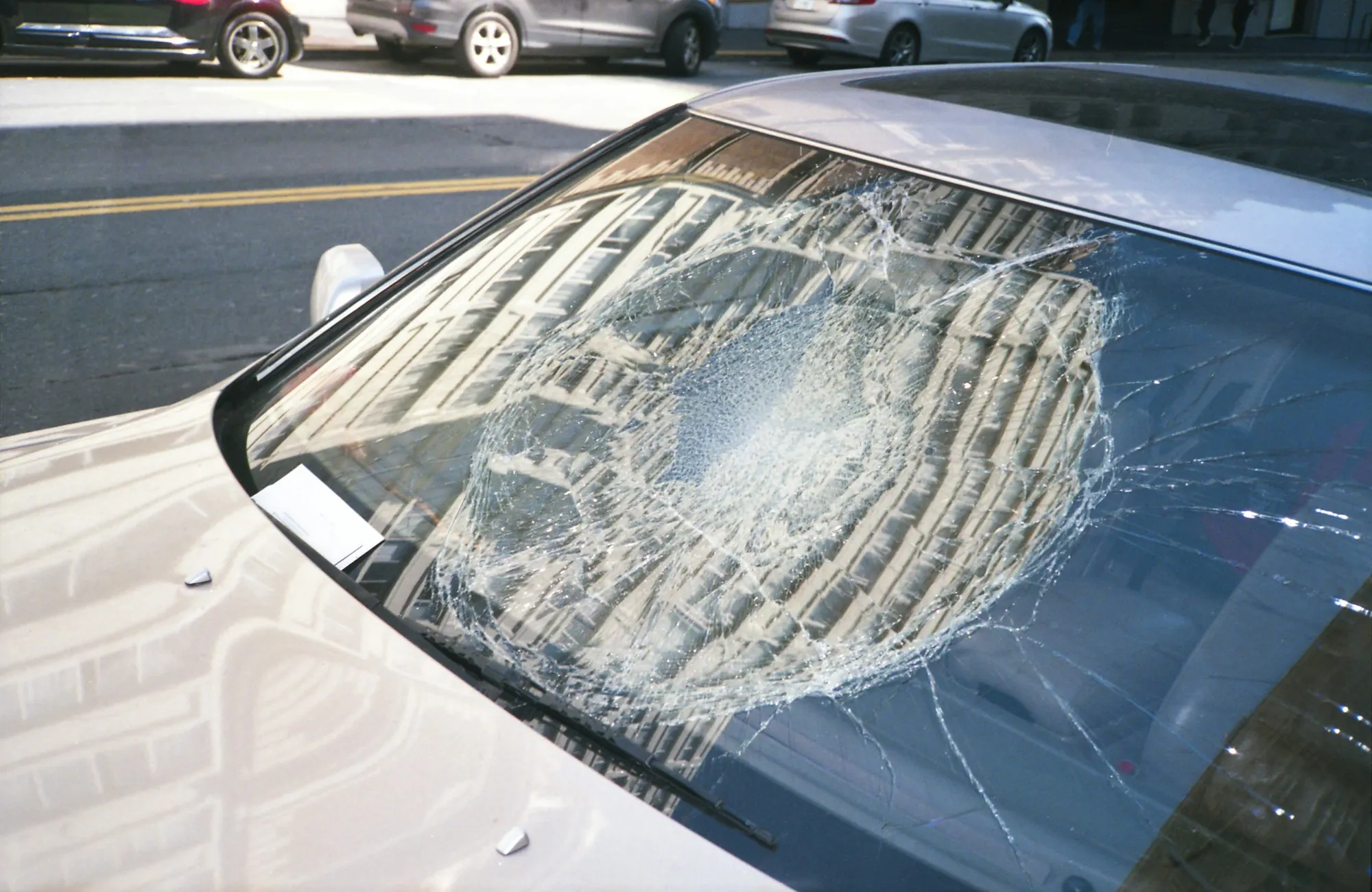
Windshields and auto glass
Windshield & Auto Glass Replacement in Royse City
Whether it was a stone kicked up on Interstate 30 or a smashed window in a downtown lot, new glass still has to seal, hold and work with the car's cameras.
Repair the Chip or Replace the Glass?
Here's the honest answer: a small chip away from the driver's view can sometimes be repaired, but a crack that spreads, sits in your line of sight or reaches the edge means the windshield needs replacing. The windshield isn't just a window. It stiffens the cabin, supports the roof and backs up the passenger airbag when it deploys. That's why the urethane holding it in has to cure properly before the car goes back to daily driving. Door glass and back glass matter too, from regulators that need checking to defroster grids that need reconnecting. And if your windshield carries a forward camera, the job isn't done until that camera is calibrated.
What Goes Into a Proper Glass Job
The glass itself is the easy part. These details are what make it last.
Glass matched to your VIN
Windshields vary by trim, with heating elements, rain sensors and camera brackets. We match the part to your car's build, not just the model.
Pinchweld cleaned and primed
The old urethane is cut back and the frame is prepped and primed. Rust or scratches on the pinchweld get treated before the new bead goes on.
Full urethane bead and set
A continuous bead of urethane goes down and the glass is set evenly. Gaps in that bead are where leaks and wind noise start.
A plain answer on drive-away
We tell you when the car is safe to drive, based on the urethane used. Driving too soon is how a windshield shifts.
Side windows and regulators
Shattered door glass is replaced, the door panel cleared of shards and the regulator checked so the window runs smoothly.
Rear glass and defrost tabs
Back glass gets its defroster and antenna connections reattached and tested. A dead defroster is a sign the job was rushed.
Lane camera set after install
When the windshield holds a lane or braking camera, it's recalibrated once the glass is in. Skipping it leaves the safety systems guessing.
Water test before release
Every installation gets a water test and a check for wind leaks. If it drips, it doesn't leave.
How a Glass Replacement Goes
Identify the glass and the features
We look up your car by VIN and note any camera, sensor or heating element. The right glass gets ordered. If a chip might be repairable instead, you'll hear that first. Then we set a day to bring the car in.
Remove, prep, install
The old glass comes out without harming the paint or dash. The frame is cleaned and primed, the bead laid and the new glass set. Moldings and cowl parts go back on, and interior shards are cleaned up for side and back glass.
Cure, calibrate, check
The urethane is given its cure time. Cameras are calibrated where the car has them. A water test and a short drive confirm the glass is sealed, quiet and working.
Why Get Glass Done at a Body Shop
Glass and calibration together
The same shop that sets the glass handles the camera calibration. You aren't left driving with a sensor that needs a second appointment.
Folded into collision work
If the glass broke in a crash, it gets replaced as part of the same repair and claim. One estimate, one pickup.
A straight call on chips
When a chip can be repaired instead of replacing the whole windshield, we tell you. Glass you don't need is glass you shouldn't pay for.
Cracked Windshield or Broken Window?
Don't let a crack spread across the glass while you wait. Ring the shop and we'll tell you straight whether it's a repair or a replacement.